Unlock the richness of your collections with models specialized for your needs, from text recognition to data structuring.
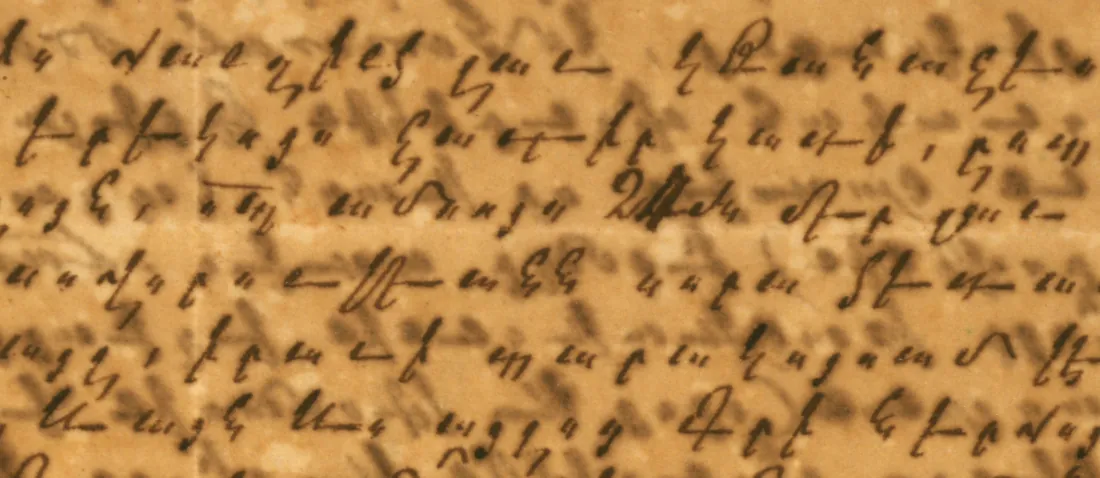
Calfa developed an Artificial Intelligence for Arabic, Armenian, Georgian, Syriac etc. This technology is able to analyse the page layout and to read the text from the document, giving it a new, digital potential.
Discover
From the study of your collection to the delivery of the corpus, we run tailor-made projects for libraries, archives and research teams: models trained on your documents, reference transcriptions, catalogues structured into searchable databases and integration into your digital library.
We provide open acces tools and models for research. We also make available for downloading multiple datasets and research materials.
Discover
We lead or co-finance projects to preserve written or printed cultural heritage. Discover our digitization and conservation actions.
DiscoverThey entrusted us with their projects
Our scientific partners
From image to data: line and layout detection, text recognition, object detection and linguistic analysis, on your own documents.
Segmentation · OCR/HTR
Manuscripts and prints, generic models or models trained on your documents. Curved or vertical text, damaged pages, mixed alphabets on the same page.
Layout
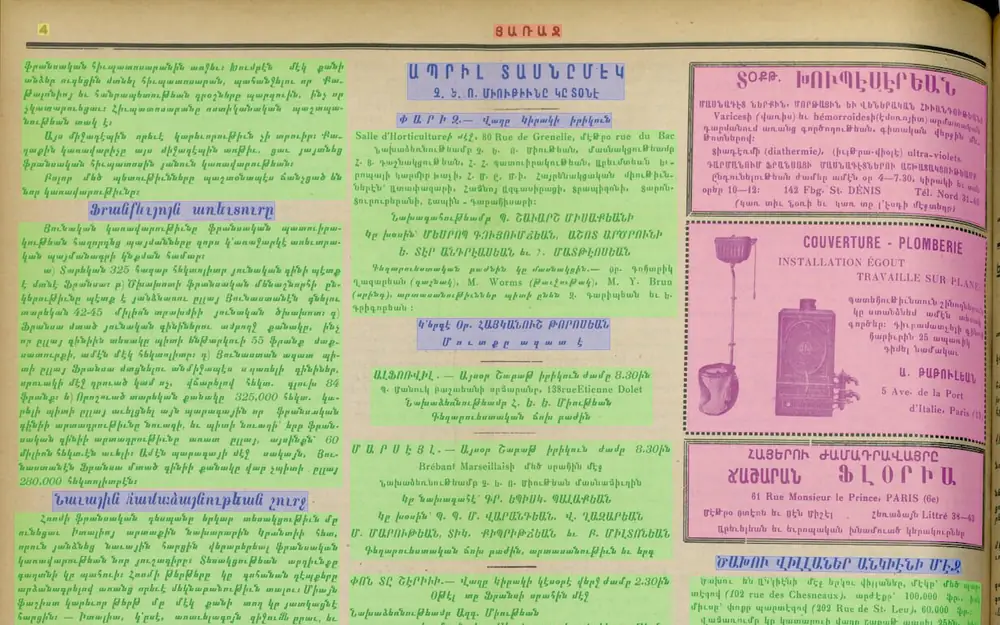
Headings, notes, columns, reading order; catalogues turned into databases.
Object detection
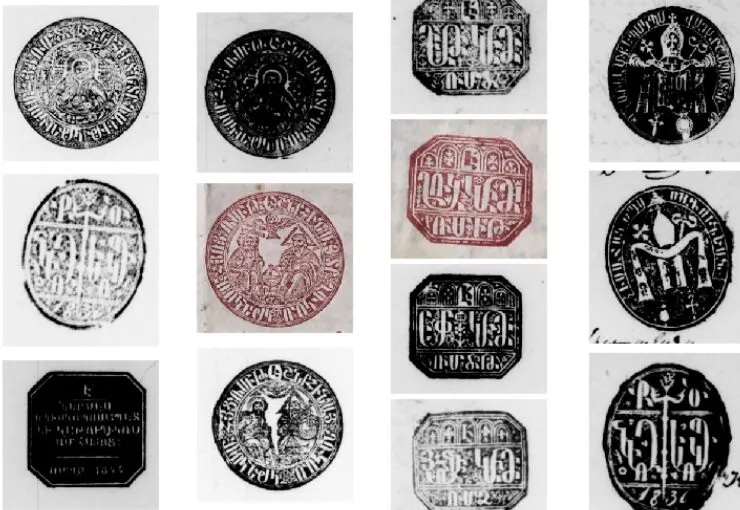
Detection of illuminations, decorated initials and stamps, including from a IIIF manifest. Try the detector (free)
და ვითარცა ნისლმანნისლი · noun რაჲმანმე მოიცვამოცვა · verb გულიგული · noun ჩემი და დაჰფარადაფარვა · verb
NLP · linguistic analysis
Lemmatization, morphological analysis and named entities for Classical, Eastern and Western Armenian, Old Georgian, Syriac and Ancient Greek; annotation of corpora of several million word forms.
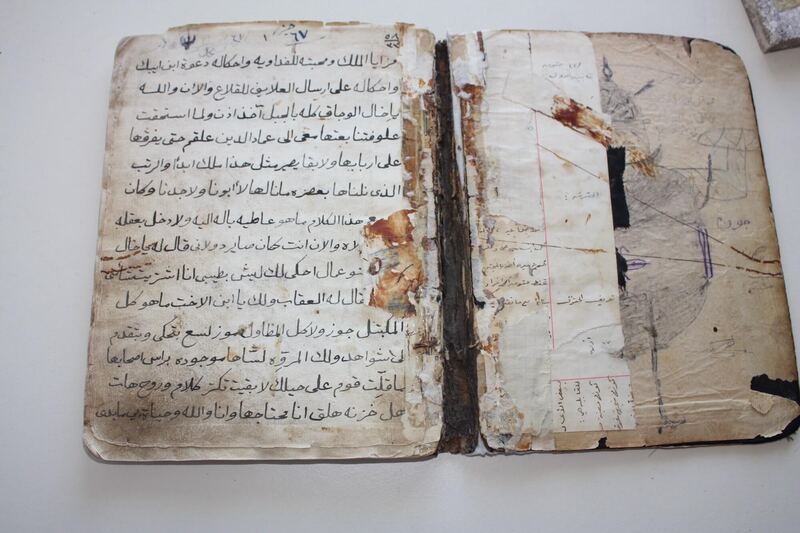
Manuscript notebook of the Sīra of Baybars (ANR LiPoL project)
Project support Arabic HTR
A specialized HTR model transcribed all 35,000 Middle Arabic pages of the Sīra corpus gathered by the project, copied in the 20th century by several hands, from the most careful to the most cursive, on images of highly variable quality.
Ground truth released in open access: Baybars dataset.
Manuscripts available on Gallica.
Case study See the result (project website)
99.2% recognition accuracy
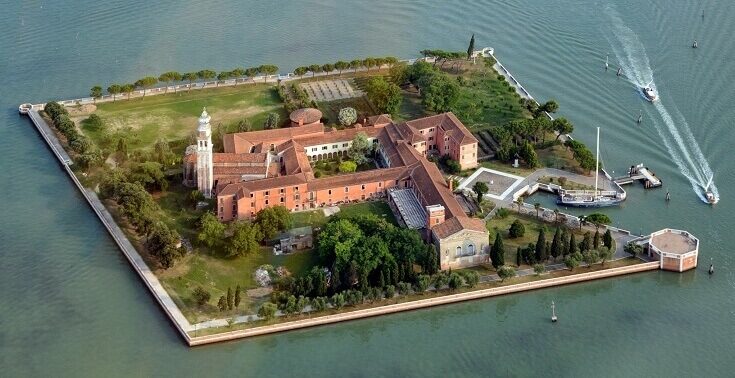
Printed catalogue in 8 volumes (6,250 pages, over 2,000 manuscripts) recognized by OCR and full-text searchable, with the Mekhitarist Fathers.
97.2% average recognition accuracy
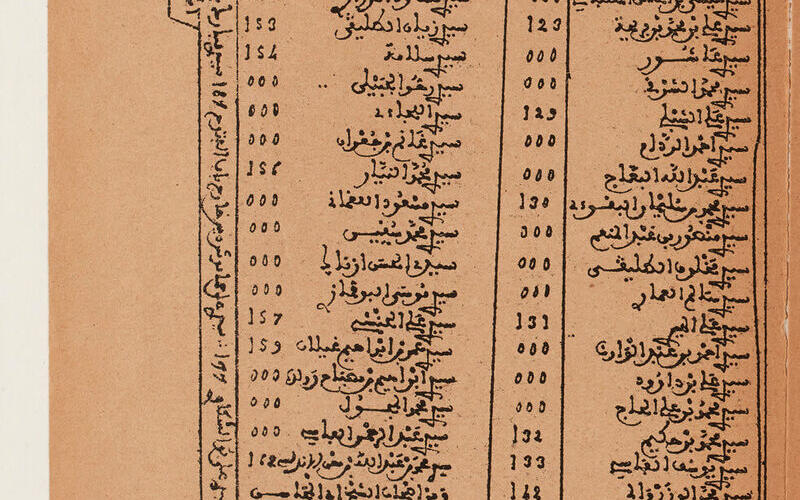
Manuscripts, lithographs and prints from the 17th–20th centuries held at the BULAC, in Maghrebi scripts, now searchable in BINA, the BULAC digital library.
3,000 handwritten pages transcribed by AI
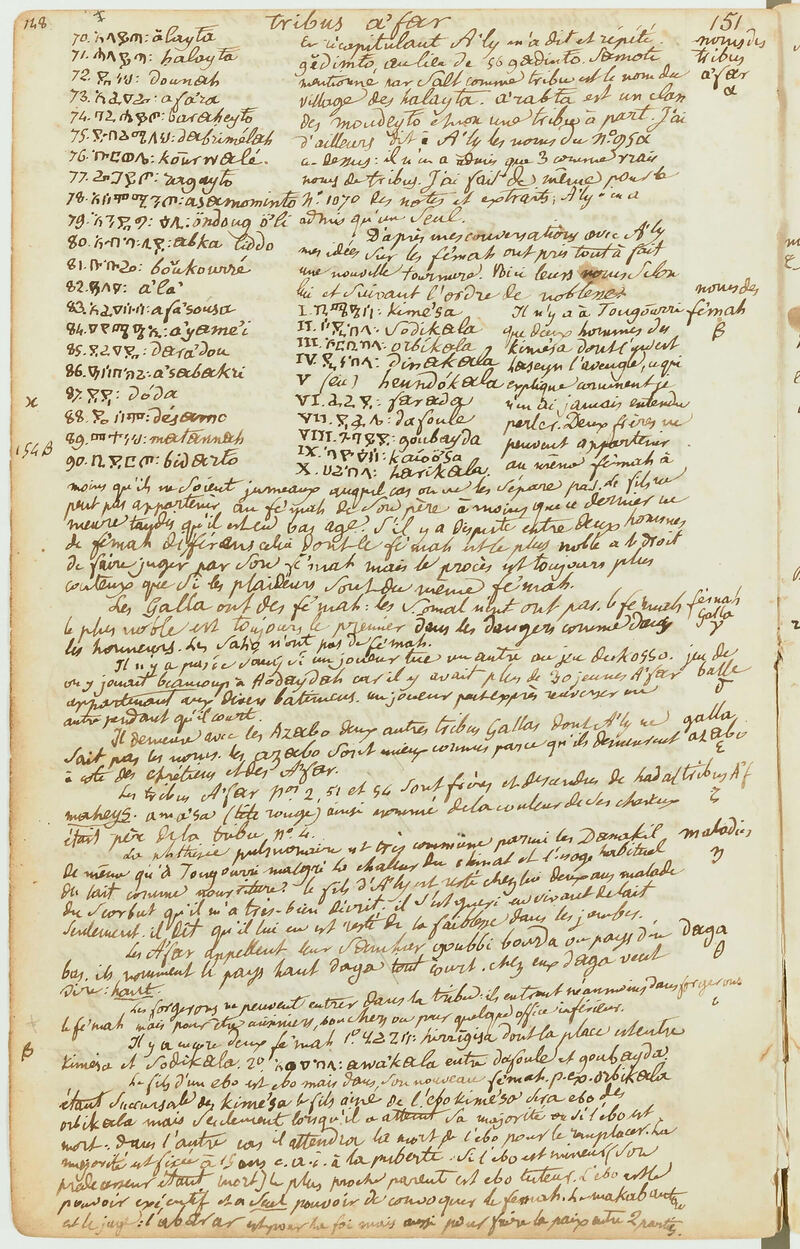
Notebooks from his journey in Ethiopia (1837–1848) mixing Ethiopic, Latin, Arabic, Hebrew and Greek scripts, transcribed by a triple HTR model, with the BnF and CNRS–IMAF.
Receive the latest news and updates on our projects and conferences by email